About Three Phase Inverter Design
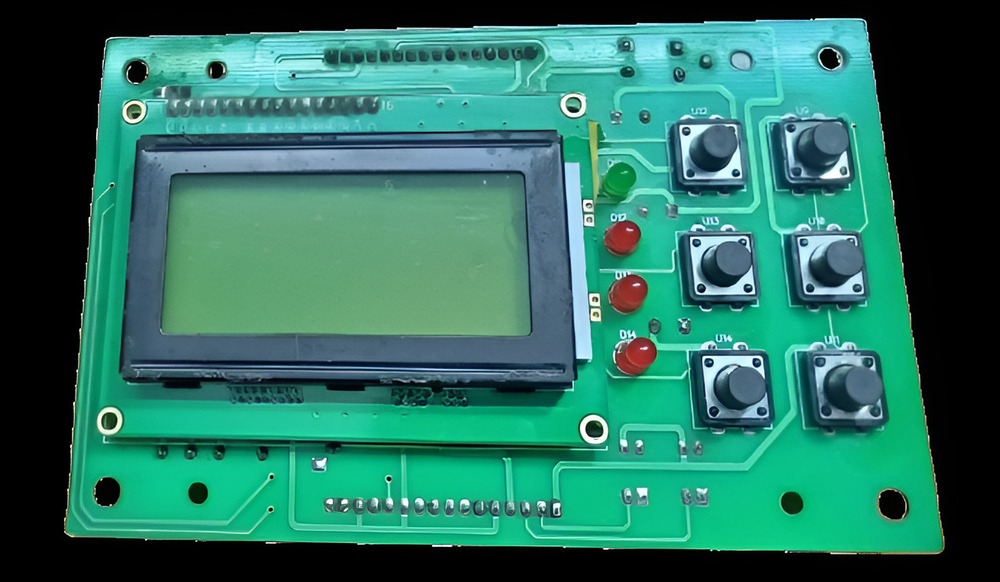
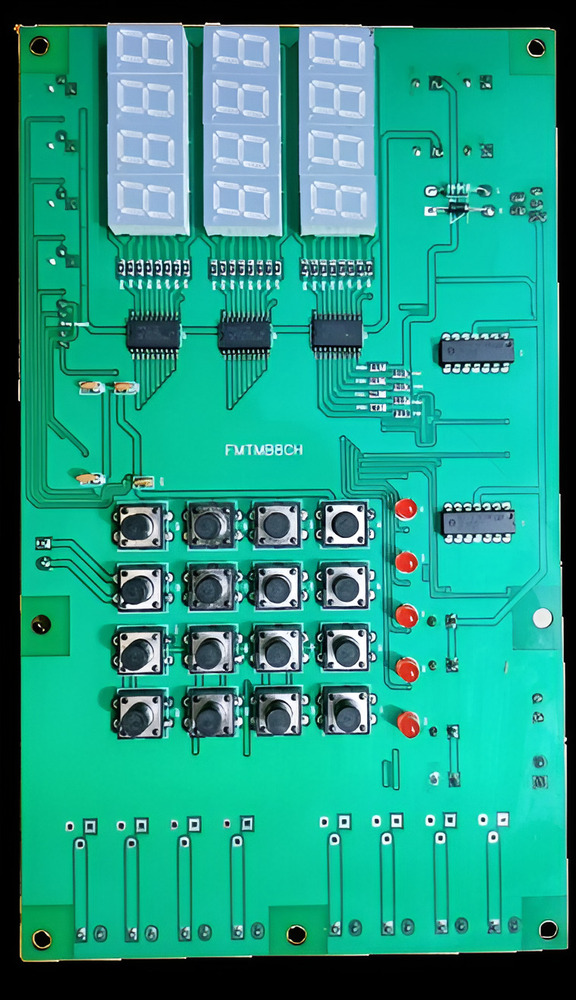
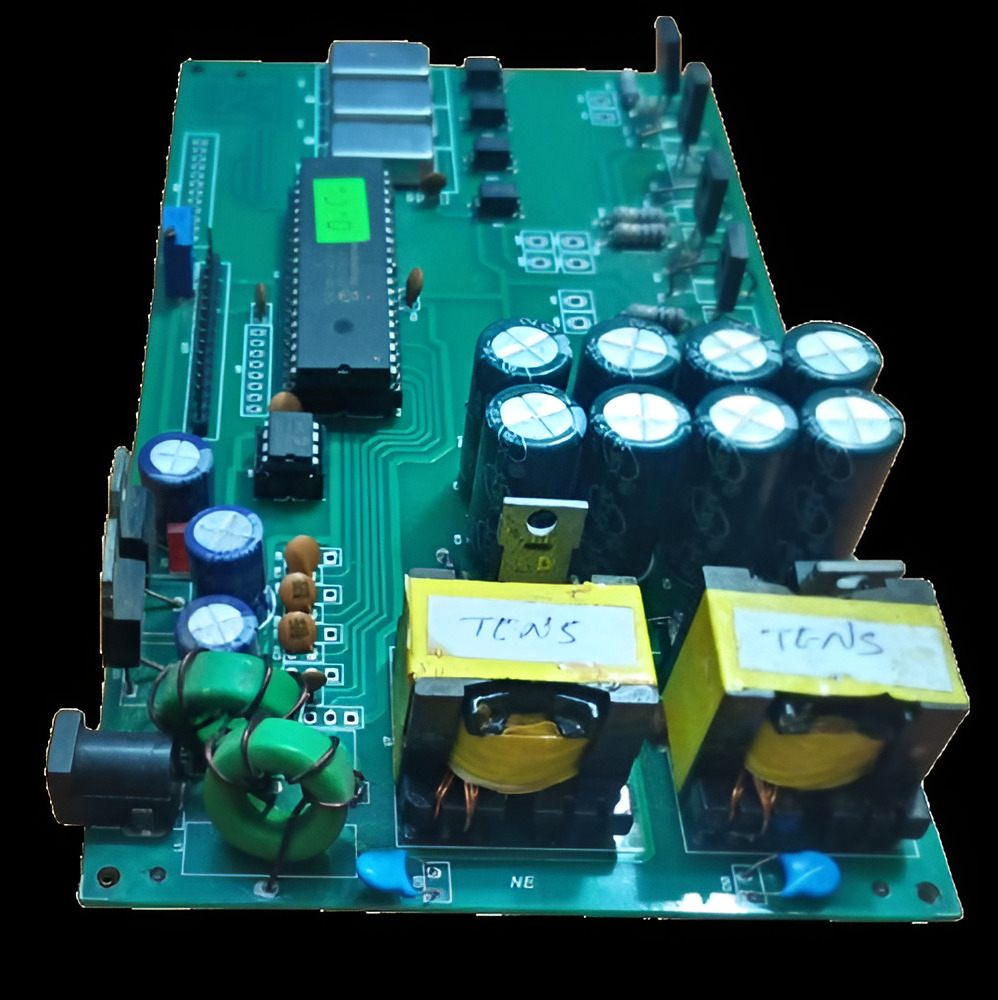
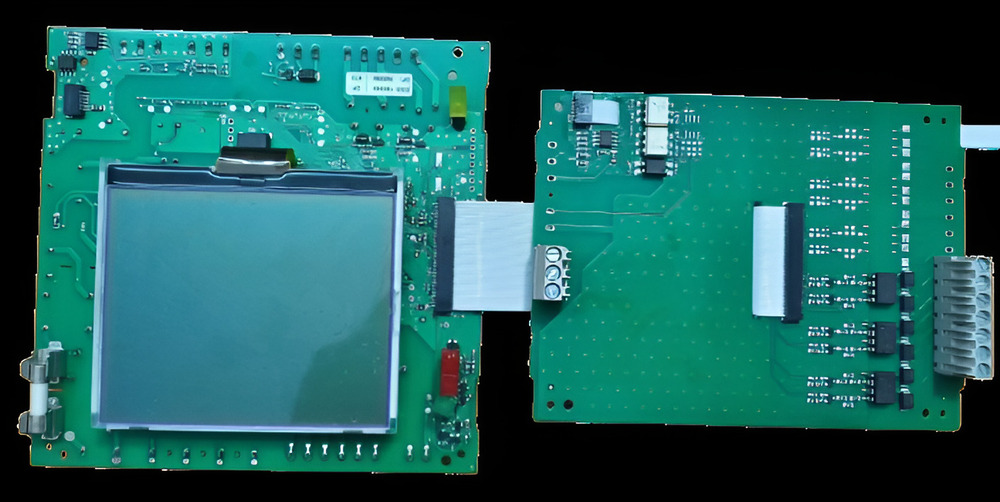
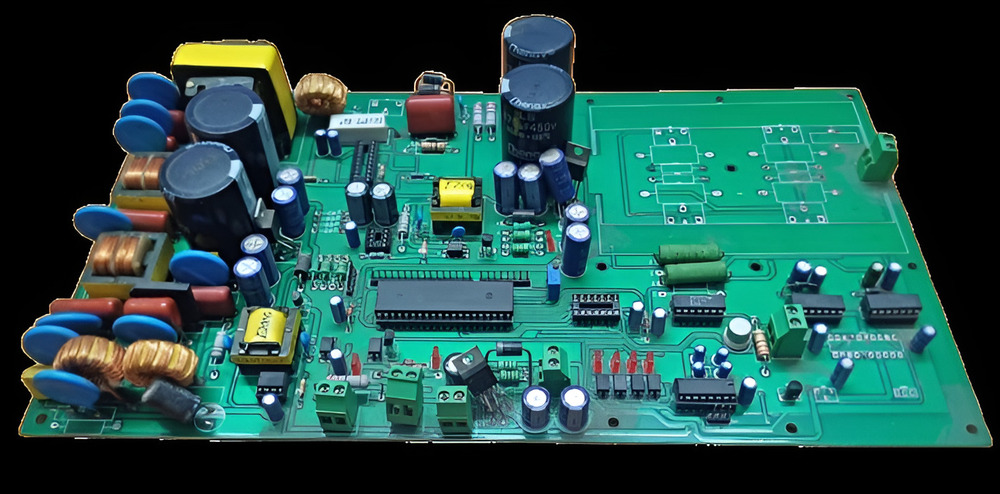
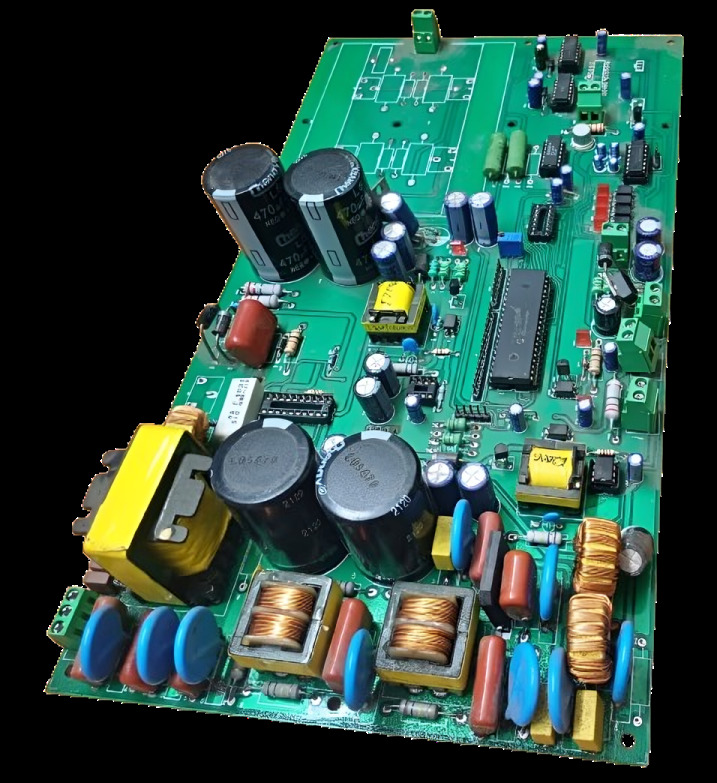
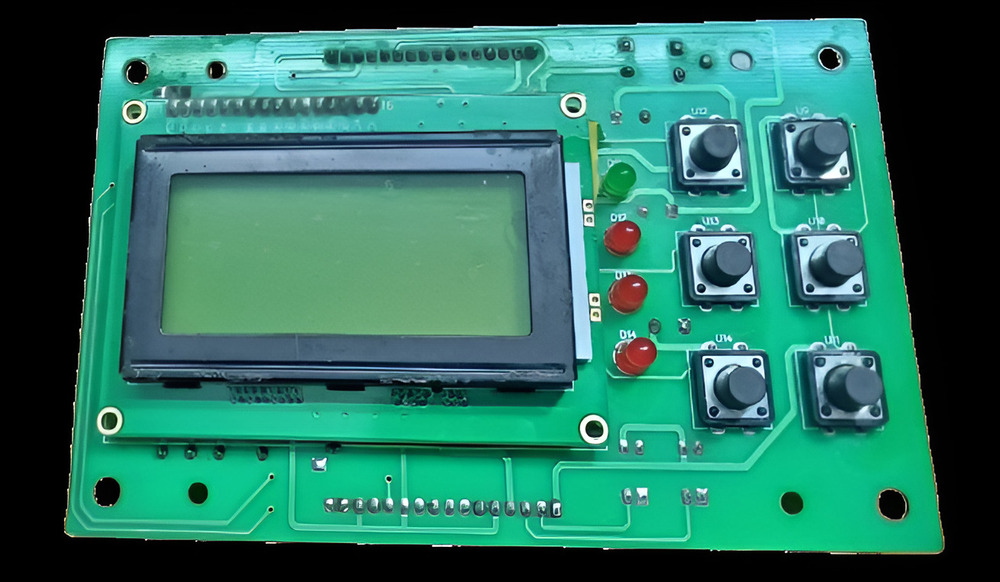
We are having more than 20 years of design experience and are specialize in all kind of Electronics and Embedded circuits designs in Microcontroller, Analog and Digital circuits, Power Systems, AHF Designs, SVG Designs, single Phase and Three Phase UPS and Inverters design, APFC Relays, SCR Switching Boards, IGBT Switching Boards, Motor Control Boards, battery-powered handheld devices, motor drivers and controllers, power systems, boards etc. Our expertise is in electronics circuit design services with a schematic design to final product. This includes selecting relevant electronic components based on the product requirements already present in the product requirements document. Additionally, we elaborate circuit design with actual electronic connections based on functional diagrams.
We do development from concept to final product.
Precision Power ConversionEngineered to cater to the stringent demands of industrial and solar PV applications, this three phase inverter design delivers a stable 380V AC output from a 415V AC input. The use of advanced IGBT/MOSFET switches and PWM control means your facilities can rely on a consistent sinusoidal voltage, crucial for protecting sensitive equipment.
Enhanced Safety and CommunicationWith built-in galvanic isolation, this inverter safeguards both users and connected systems from electrical faults. Integrated RS485/MODBUS communication enables seamless monitoring and control, making it adaptable to automated environments and remote management solutions.
Certified Reliability and Versatile DeploymentMeeting CE and ISO 9001 standards, this inverter assures top-tier quality and safety compliance. Its forced air cooling and versatile mounting choices (panel/wall mount) make it suitable for various installations, supporting robust performance even in challenging climate conditions.
FAQ's of Three Phase Inverter Design:
Q: How does the three phase inverter maintain low Total Harmonic Distortion (THD) below 3%?
A: The inverter utilizes pulse width modulation (PWM) control in combination with high-speed IGBT or MOSFET switches to produce a near-perfect sinusoidal output waveform. This advanced control significantly reduces harmonic distortion to below 3%, ensuring cleaner and more reliable power delivery.
Q: What are the primary applications for this inverter design?
A: This three phase inverter is suitable for a range of applications including industrial automation, commercial power systems, and solar PV installations. It is engineered for environments where stable, high-quality three-phase power is essential.
Q: When should forced air cooling be used, and how does it benefit the inverter?
A: Forced air cooling is integral to this inverter's design and is automatically employed during operation. It efficiently dissipates the heat generated by high-power switching devices, preserving system performance and extending the device's lifespan, especially during continuous industrial use.
Q: Where can the inverter be installed, and what are its mounting options?
A: The inverter allows for flexible installation on panels or walls, making it suitable for both indoor utility rooms and industrial shop floors. Its robust build and compact design simplify integration into existing electrical setups.
Q: What protection features are included to ensure safe operation?
A: The inverter offers comprehensive protection mechanisms, including overload, short circuit, and over-temperature safeguards. These features prevent equipment damage, enhance operational safety, and reduce maintenance downtime.
Q: How does the RS485/MODBUS communication interface enhance inverter operation?
A: RS485/MODBUS support enables advanced monitoring and remote control capabilities, allowing users to integrate the inverter with broader system networks. This ensures real-time data access, streamlined diagnostics, and efficient management within automated facilities.
Q: What are the main benefits of galvanic isolation in this inverter?
A: Galvanic isolation prevents electrical faults from being transferred between input and output, increasing user and equipment safety. It also minimizes electrical noise transmission, which is critical for sensitive industrial and solar PV applications.





 Send Inquiry


 Send Inquiry